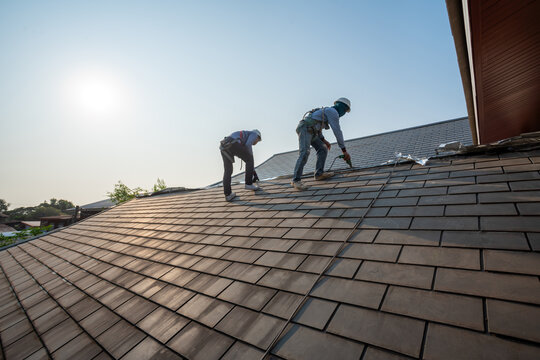
A residential roof is one of the most important structural components of any home, protecting it from weather, moisture, heat, and long-term damage. Whether you are planning a new roof installation, considering repairs, or evaluating a full replacement, understanding how roofing systems work helps you make smarter, cost-effective decisions.
In 2026, modern roofing solutions have become more durable, energy-efficient, and customizable, offering homeowners a wide range of materials, installation methods, and maintenance options.
Key Takeaways
- Residential roofs protect against weather, leaks, and structural damage
- Material choice directly impacts durability and long-term cost
- Roof installation vs roof replacement depends on damage severity
- Regular inspection helps avoid expensive emergency repairs
- Professional roofing services ensure safety and proper installation
- Costs vary based on materials, labor, and roof size
What Is a Residential Roof?
A residential roof is the protective upper covering of a house designed to shield the structure from rain, wind, sunlight, and temperature changes.
It includes:
- Roof deck (base structure)
- Underlayment (moisture barrier)
- Shingles or roofing material
- Flashing (leak protection around joints)
- Drainage system components
A properly built roof ensures structural safety and long-term durability.
Why Residential Roofing Is Important
A strong roofing system protects the entire home structure.
Key benefits include:
- Prevents water leaks and mold growth
- Protects insulation and interiors
- Improves energy efficiency
- Increases property value
- Enhances home safety and durability
Without proper roofing, even small damage can lead to major structural issues.
Residential Roof Installation Process Explained
Understanding the installation process helps homeowners plan better.
Step 1: Roof Inspection
Experts evaluate structure condition and identify weak areas.
Step 2: Material Selection
Homeowners choose from asphalt shingles, metal, tile, or wood roofing.
Step 3: Roof Deck Preparation
Old materials are removed and the base is cleaned and repaired.
Step 4: Underlayment Installation
A protective moisture barrier is installed for waterproofing.
Step 5: Roofing Material Installation
Selected materials are installed in overlapping layers for protection.
Step 6: Final Inspection
The roof is checked for alignment, sealing, and durability.
If you want residential roof installation service, you can explore our Page.
Roof Installation Cost Guide
Roof installation cost depends on material type, size, and labor.
Main cost factors:
- Roof size and slope
- Material selection
- Labor charges
- Design complexity
- Location and weather conditions
Common pricing breakdown:
- Asphalt shingles: Affordable option
- Metal roofing: Mid to high range
- Tile roofing: Premium cost category
Best Roof Installation Materials Comparison
Different materials offer different benefits.
Asphalt Shingles
- Most common choice
- Budget-friendly
- Easy installation
Metal Roofing
- Long-lasting
- Energy efficient
- Higher upfront cost
Tile Roofing
- Extremely durable
- Heavy but premium look
- Expensive installation
Roof Repair vs Roof Replacement Guide
Understanding this difference is essential for cost planning.
Roof Repair
Used when damage is minor.
- Fixes leaks
- Replaces small sections
- More affordable
Roof Replacement
Required when damage is severe or widespread.
- Full roof removal
- New installation
- Higher cost but long-term solution
How to Know When Roof Replacement Is Needed
Signs include:
- Frequent leaks
- Missing or broken shingles
- Sagging roof structure
- High energy bills
- Water stains on ceilings
If multiple issues appear, replacement is often the better choice.
Emergency Roof Repair Guide
Emergency roof repair is needed after storms or sudden damage.
Common emergency fixes:
- Temporary leak sealing
- Tarp installation
- Shingle replacement
- Flashing repair
Quick action prevents structural damage.
Roof Remodeling Ideas for Homes
Roof remodeling improves both appearance and performance.
Popular upgrades:
- Modern metal roofing designs
- Energy-efficient coatings
- Skylight installation
- Improved ventilation systems
Roof Remodeling Cost Breakdown
Costs depend on scope of work.
- Minor remodeling: surface upgrades
- Mid-range remodeling: partial replacement
- Full remodeling: structural changes
Roof Installation Safety Tips
Safety is critical in all roofing projects.
- Use proper safety harnesses
- Avoid wet or windy conditions
- Hire licensed professionals
- Follow building codes
Complete Roofing Services Guide
Professional roofing services include:
- Installation
- Repair
- Replacement
- Maintenance
- Emergency response
Hiring experts ensures long-term performance and safety.
Conclusion
A residential roof plays a critical role in protecting your home from environmental damage and structural issues. Choosing the right materials, understanding installation processes, and knowing when to repair or replace your roof can save significant time and money.
For reliable roofing solutions, J. Leonard Roofing and Construction provides professional services designed for durability, safety, and long-term home protection.